

TL;DR
- In a Columbia Journalism Review study published in March 2025, eight AI search tools misidentified the source of news excerpts in more than 60 percent of 1,600 queries, and rarely said they were unsure. A buyer asking about your startup can get the same confident tone, right or wrong.
- Find the cause before you change anything. An assistant may cite an outdated page, answer from what it learned in training without searching, or find too little consistent evidence about you, and each needs a different fix.
- Correct your site copy and crawler access first. Then update the third-party profiles you control and check the cited sources you do not.
- Re-run the same buyer prompts on a schedule and read the answers, not just the mention counts. One corrected answer proves little on its own.
Why does ChatGPT get your startup wrong?
A prospect pastes ChatGPT's description of your company into a sales thread, and it describes the product you stopped selling a year ago. ChatGPT can also invent a feature or file you in the wrong category. It may have retrieved an outdated page, repeated something it learned in training without searching, or found too little consistent evidence of what you do now.
Which cause you have depends partly on whether the assistant searched. OpenAI says ChatGPT "may search the web automatically when your question would benefit from current information." Claude "searches the web when it helps," while Perplexity searches in real time and links to its sources. Google says AI Overviews and AI Mode are "rooted in our core Search ranking and quality systems."
When an assistant searches, it can draw on pages you do not own, and an old directory listing or article may contradict your current website. The sources linked in the wrong answer show you what to correct. An answer with no visible citations needs a different check.
How do you tell which problem you have?
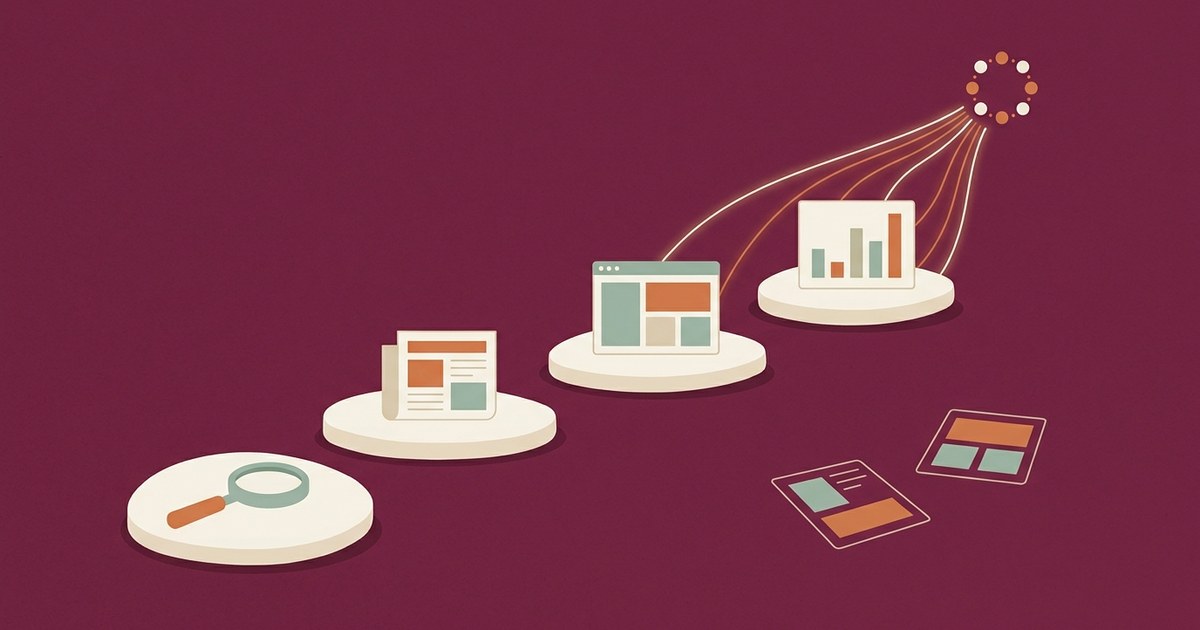
Ask the same question about your startup three times, in a new session each time, in ChatGPT, Claude, Gemini, Perplexity, and Google AI Mode. In Google AI Mode, turn off history and personalized recommendations before you test, because Google says AI Mode can reference your previous searches when they are enabled. In Claude, check that web search is switched on if your account shows the toggle. For every answer, write down the company description, the category, the differentiators it claims and the competitors it names, with the date, the exact prompt and any cited pages. Then look at whether it lists sources at all, because that decides which test comes next. OpenAI says ChatGPT responses that use web search "may include citations," so an uncited ChatGPT answer may or may not have searched. Claude, Perplexity and Google AI Mode cite the pages they used. If you have not built a prompt set yet, the order of work we set out for a startup's first baseline covers which questions to test and what to record.
The answer cites a page that is wrong or out of date
Open the page behind each incorrect claim. Your own pre-pivot product page is the easy case: update it or retire it. An outdated directory listing you can correct yourself or ask its owner to fix. An old article you cannot edit at all, so give the publisher accurate, current information and update the pages you control. If the link is dead or the page never made the claim, record that too. The Columbia Journalism Review study found that more than half of responses from Gemini and Grok 3 cited fabricated or broken URLs, and there is no page to fix behind an invented link.
The answer cites nothing
In ChatGPT, select the refresh control under the answer and choose "Search the web", where it is offered. Compare the searched answer with the original. If the searched answer gets you right, the original probably came from what the model learned in training, which nobody outside the AI company can edit. Keep your current facts on pages search tools can reach, and keep checking. If the searched answer is also wrong, the problem is in its sources: work through them before blaming training data.
In Claude, Anthropic says every response that searches the web includes citations and shows an indicator while it searches, so a Claude answer with neither came from what the model already knew.
The answer names a competitor or the wrong category
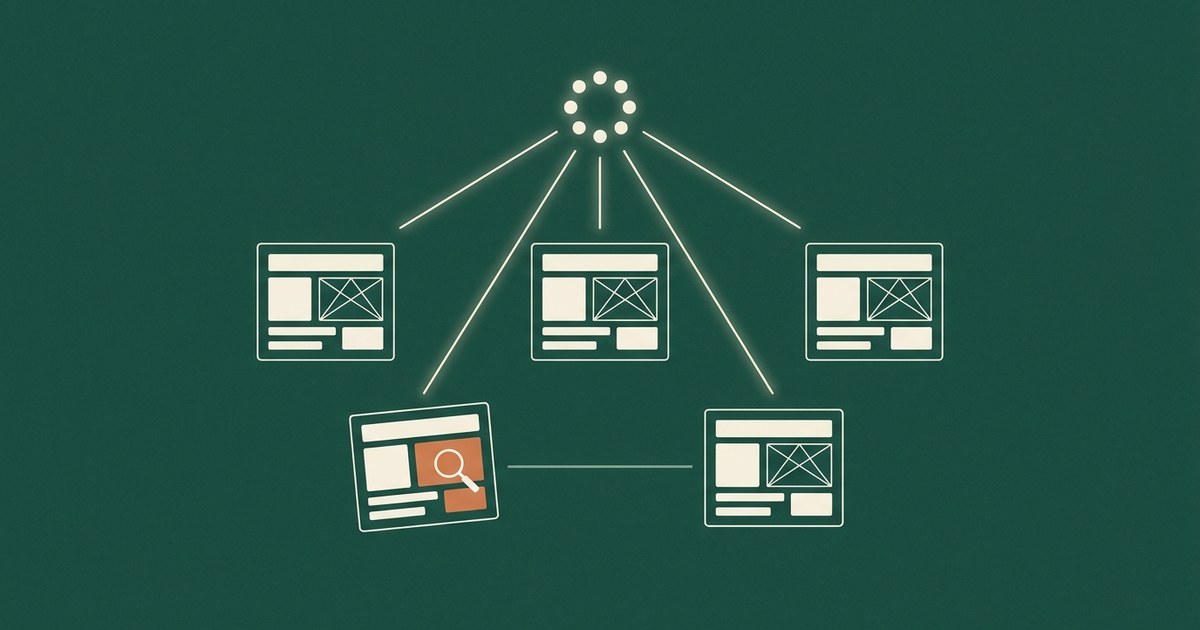
When the category or the competitors are wrong, look first at whether the evidence about your company is thin or inconsistent. Put the language on your site next to the descriptions in your profiles and the cited pages. If your homepage calls you a developer tool while older listings still call you an adtech platform, correct the conflicting sources you control, following Bing's guidance on clear, consistent entity information for names and descriptions. In Google's AI features, the cited page may come from a related search rather than yours: Google says AI Overviews and AI Mode may issue multiple related searches across subtopics to build a response, so check category and comparison pages, not only the ones that name you. We found no engine that offers a way to remove a competitor from an answer on request. If the answers leave you out altogether rather than describe you wrongly, that is a different problem, covered in how to get your startup cited by ChatGPT, Claude and Google AI Overviews.
A worked example: the adtech platform that became a developer tool
Take a startup that sold an advertising analytics platform for two years, then repositioned as a developer tool for measuring in-app events. The founder asks four buyer questions in four assistants and saves everything. ChatGPT, with no sources listed, describes the old advertising product in the present tense. Perplexity gets the new positioning half right but cites a two-year-old funding announcement and a directory listing that still calls the company an advertising analytics platform, so it lists three adtech vendors as the closest alternatives. Google AI Mode names the right category and cites the new homepage. Claude cites only the new homepage and hedges that it found limited information about the company.
Three answers are wrong for three different reasons, and the baseline shows which fix goes where. The ChatGPT answer is probably a training problem: the searched version, run through the refresh control, gets the positioning right, so the only lever is keeping current pages reachable and waiting for a later model update. The Perplexity answer is a source problem with two named pages: the directory listing can be edited today, and the funding announcement can be left alone because it is dated and accurate for its time. The Claude answer is an evidence problem: it found one page describing the new product and no profiles that agree, so the work is writing one description and repeating it everywhere the company is listed.
What should you fix on your own site first?
A pivot can leave your current website telling two different stories. Before you try to change an AI answer, make sure search tools can reach your pages and find a clear, current description when they do.
Let the search crawlers in
Open yourdomain.com/robots.txt and search it for each crawler's name, then check your CDN or firewall bot settings for rules that block them. The names to look for are OAI-SearchBot and ChatGPT-User, PerplexityBot and Perplexity-User, Claude-SearchBot, Claude-User, Bingbot, and Googlebot. Run the check for the pages that explain your company and products, not just the homepage, and confirm each crawler's current name and purpose in its operator's documentation before you change a rule. OpenAI says sites that opt out of its search crawler "will not be shown in ChatGPT search answers, though can still appear as navigational links." Anthropic says blocking Claude-SearchBot "may reduce your site's visibility and accuracy in user search results."
Two more names matter for the training problem. GPTBot and ClaudeBot collect pages that may be used to train future models, and Anthropic says restricting ClaudeBot signals that your future pages should be left out of its training data. If you block them, a later model update cannot learn your new positioning from your own pages. Google splits it the same way: robots.txt rules for Googlebot control its AI features in Search, while Google-Extended limits training and grounding in some of Google's other systems.
Our guide to what an answer engine agency should deliver explains how to test access crawler by crawler.
Write one canonical description
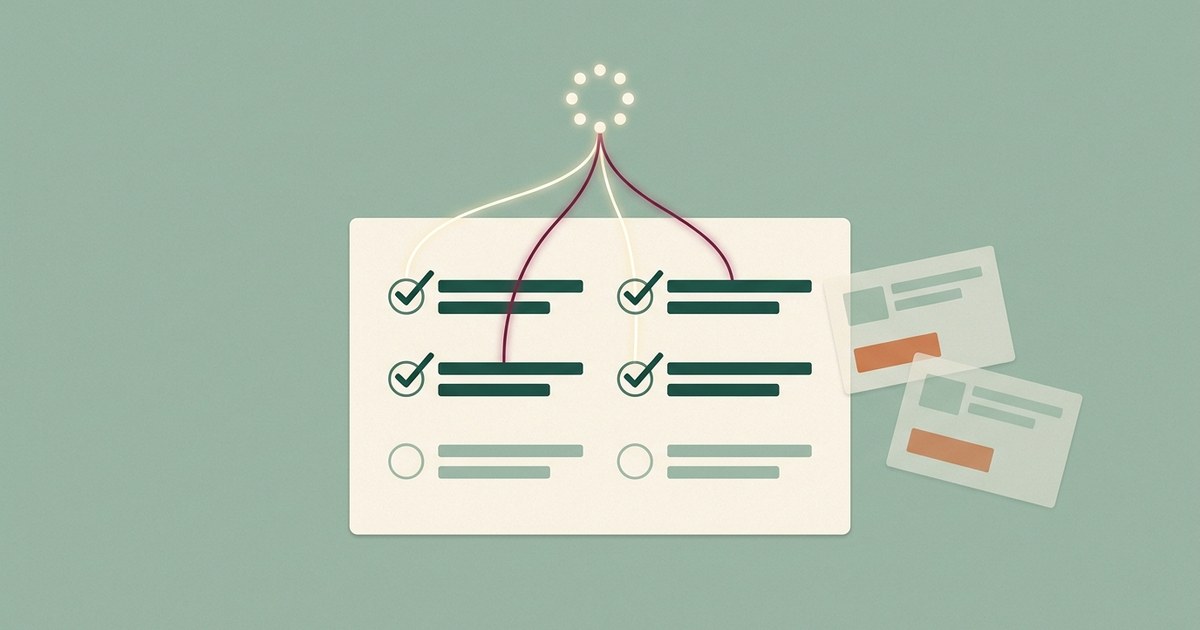
Write one current sentence that says what your company does and who it serves, and an equally clear one for each product. Then use the same names and facts on your homepage, about page, documentation, executive bios, and the profiles you control. Each page can phrase the description for its own purpose, as long as what the company does stays the same.
If your homepage describes a new product category while an executive bio still names the old one, a search tool can encounter either account. Bing advises you to "Use clear and consistent naming for people, organizations, products, and locations."
Mark up the organization
Once the visible copy is accurate, add Organization structured data to your homepage with your official name and, where applicable, sameAs links to the profiles that identify the same company. The markup should match what visitors can read on the page. Google says the markup "can help Google better understand your organization's administrative details and disambiguate your organization in search results." That is the markup to prioritize if an assistant mixes you up with another company of the same name: the sameAs links point to the profiles that are yours.
Retire or redirect the old pages
Review old landing pages, documentation, and announcements for claims your pivot made obsolete. Revise pages that still serve a purpose, and use a 301 redirect when a retired URL has a relevant replacement. Bing advises site owners to "Remove or revise outdated information to prevent incorrect information from surfacing."
After you publish the changes, use IndexNow for affected URLs if your site and the relevant search engine support it. Bing says IndexNow notifications help "reduce outdated or incorrect URL references in Copilot responses and grounding results." Keep a record of the old URLs and their replacements so you can check which pages an answer cites later.
Which third-party sources do AI tools cite about you?
Fixing your own site does not stop an assistant that searches the web from citing a directory, review site, marketplace listing, data profile, community thread, or news article that still carries your old positioning instead of your own page. If an answer cites Wikipedia, check the entry against reliable sources, then disclose your connection and propose changes on the article's talk page, as Wikipedia's conflict-of-interest guideline asks, rather than editing it yourself.
Start with profiles and listings you control. Update the company category, product description, and links on each one, then check that the facts match your current site. In our experience, review sites let you correct your company profile but not a customer's review. If an answer cites an outdated article, ask the publisher about a factual correction rather than assuming you can rewrite its coverage.
Community discussions are sources you can participate in but cannot control. If an answer cites a thread containing a factual error, respond with accurate information where the community permits it. Do not post promotional replies to influence an AI answer. Google says that seeking inauthentic mentions across the web "isn't as helpful as it might seem."
What does each AI engine offer for corrections?
Google documents a way to report a wrong AI answer. For the other engines, the documented routes run through crawler access and the pages they cite.
How long does a correction take to show up?
We found no published time, from OpenAI or Google, for updated page content to appear in an AI answer.
The documented timelines cover narrower steps. OpenAI says its systems can take about 24 hours to adjust after you change your site's robots.txt file. That describes crawler access, not when ChatGPT will use a revised page. Google says it reviews verified Knowledge Panel feedback within a few days, though it can sometimes take longer. Even an accepted correction sets no timetable for AI answers.
A later model update may change an answer that came from training, but no published schedule tells you when a specific company fact will change. Research comparing generative search systems found that outputs can vary across time and executions, so one correct answer after a fix proves little.
How do you measure AI brand visibility after a fix?
To measure AI brand visibility after a fix, compare every new answer with the baseline you saved in the diagnosis: the answers that got your company wrong, with the prompt, engine, date, description, category, claimed features, competitors named, and any cited sources. A mention alone does not tell you whether the answer describes your startup accurately. What AI visibility is, and how we measure it has the definitions behind these measures.
Re-run the same prompts on a schedule, with the same search settings where you can, and compare each new answer and the source pages it cites with your baseline. If you did not save a baseline, start tracking now rather than reconstructing one from memory.
Search dashboards add evidence, but they measure narrower things than answer accuracy. Google Search Console's generative AI performance report counts how often links to your site were shown in AI Overviews and AI Mode. Bing's AI Performance report shows how often your pages are cited in Microsoft Copilot, Bing's AI-generated summaries and select partner AI integrations; Bing says the data is a sample and that a citation "does not represent traffic, clicks, or user engagement." Neither report can tell you that your edit caused a change.
Gauge, the AI visibility measurement platform we use with clients, samples answers for us across ChatGPT, Perplexity, Gemini, Copilot, Google AI Overviews and AI Mode. It does not sample Claude. We read the underlying answers as well as the numbers. If an assistant cites your corrected page but still repeats an old feature claim, inspect its other cited sources before changing your site again.
What can you do in-house, and when do you need help?
If you can trace where the wrong description came from, you can make the first corrections in-house: the facts on your own pages, crawler access and markup, with each edit recorded before and after so you know what changed. Two jobs are harder to staff. Monitoring needs an owner who keeps re-running the prompts, and outside sources need outreach: you can edit your own directory listings, but a review, community post, or article belongs to someone else.
Before hiring help, ask which prompts the provider will test before and after, which sources it can change, and which sources it can only influence. Ask how it will report an unchanged answer. Reject any guarantee that an agency can rewrite a model's training data or secure a specific response. What an agency in this field actually does lists the rest of the scope to ask about.
How does Althea Labs approach this work?
Althea Labs is a brand presence and AI visibility agency that builds targeted visibility systems for B2B startups through integrated PR, SEO, and content programs.
When an AI assistant gets your company wrong, we save the answer and the pages it cites before we change anything. Our AI visibility work starts on the pages you own: the copy, its structure, crawler access, and markup that matches what the page shows. We then work through the outside sources the answers cite, correcting the profiles and listings you control and naming the claims you can only influence. We re-run the same buyer prompts on a schedule to see whether the description has changed. You work directly with Kara Silverman, Althea Labs' founder. PR, the pitching that earns media placements, runs alongside this work, because the answers draw on what other sources say about you, though a journalist still decides what to cover. No agency can guarantee a corrected answer, and we don't promise one.
FAQs
Can I make ChatGPT forget old information? No. Nobody outside OpenAI can edit what a model learned during training. But ChatGPT may search the web for current information, and when it does, the pages it retrieves are the ones you can correct.
Does deleting a bad page remove it from AI answers? Not by itself. A search engine can stop retrieving a deleted URL once it processes the removal, but other pages may still repeat the claim, so check what else the answer cites. Bing recommends removing or revising outdated information to prevent incorrect references in its search results and Copilot answers.
Why do ChatGPT and Gemini describe us differently? The assistants may use different sources, and ChatGPT does not search for every answer. Compare whatever each one cites, then re-run the ChatGPT question with "Search the web" where it is offered. If the searched answer now agrees with the other assistant, the original ChatGPT answer probably came from training.
Can an agency guarantee a corrected answer? No. Google says no third-party tool has access to its internal ranking or AI systems, and indexing is not guaranteed. What an agency can do is correct the pages you own, work on the other sources the answers cite, and track the answers over time.
How often should we re-check? Weekly while you make corrections, then monthly once the answers stabilize. Use the same prompts and search settings each time, and save the answer, citations, and date so each check compares with the last.
Get a baseline before you fix anything
If you edit first and the answer doesn't change, you won't know whether the assistant is still citing an old listing or never searched at all. Our Brand Intelligence Audit records how ChatGPT, Perplexity, Gemini, Copilot and Google's AI Overviews and AI Mode describe you for your buyers' questions, alongside your SEO, PR and community presence, and we deliver it in five days as a deck and a one-hour session, with tactical recommendations for the next 30 to 45 days. Bring the buyer questions that produce the wrong answers, and we'll start with the sources behind them.
CONTINUE READING